Life of a Freelance Dancer is a blog, journal, and tool for those who are interested in freelancing themselves, that want to know the ins and outs of freelance work, or are just curious about the life of a freelance dancer.
Dance is an extremely difficult career field. From competition to
personal aesthetic and emotional perfectionism, dancers encounter more
stressors than nearly any other career that doesn't involve risking
one's life or saving/protecting others. Dance Magazine's Jennifer Stahl
recently wrote an article about a Portuguese study that suggests that
dance training may actually cause psychological harm in the form
of depression, anxiety, eating disorders, and unwarranted stress under
certain circumstances. I think that the study noted in the article could
probably use more study (and I've talked about emotional health in training on here before), but I do feel that certain methods of training can
instill certain traits that could disrupt a dancers mental state. At
the same time, in order to become a true artist, dancers often have to
dig deeper and more personally into their psyche and physicality than most others in any
other field. Perhaps, this also causes those consequences. Nonetheless,
freelance artists often find themselves under greater stress and
anxiety than company artists because of how closely tied together their
art, livelihood, and careers are to their ability to find and sustain
regular work. For this reason, I have developed a short list of valuable ways that I think can help protect dancer's mental
health to ensure that they can handle the great amount of stress and anxiety that comes
with a dance career.
1. Plan a Day Off in Advance - Many
freelance artists will keep on taking work until it dries up. Often, this is
out of fear that work will soon cease to appear. In reality, while not getting a day off may
temporarily cushion your bank account with a little extra cash, you could possibly be bringing yourself that much closer to burn out. If this happens, you may find that you can't even bring yourself to continue working, which defeats the purpose. If you want to sustain a long-term career in dance, teaching, and more, one day off each week is
probably more valuable than a short-lived career.
2. Find Ways
to Take "Me-Time" - With all of my media work added on top of
teaching and choreography, life can easily turn into never-ending periods of working for
everybody except myself. Due to the fact that people are constantly reaching out to me for work, advice, and more, it is necessary for me to find a little bit of time
every few days to do something completely for myself (without any guilt for
work that has been left aside during that time). Some of my favorite
guiltless "me-time"activities include sitting at a cozy coffee shop
(preferably one with couches) and sipping a latte with a fresh baked
soft cookie, taking a bath with candles and Pandora's "Chill Out" station playing, going for skyscraper walks around whatever city I'm in,
and watching aimless videos on YouTube. When I take some time for
myself, I don't feel as stressed or anxious about giving so much time to
others and find I'm actually more generous with helping people out
because I've already taken care of my own needs.
An image from one of my skyscraper walks
3. Develop Friendships
with Non-Dancers That Don't Mind Discussing Dance - This one is pretty
straightforward. It can become way too easy to only hang out with
friends in your dance bubble. Most dancers go through phases where they start seeking friends
who have nothing to do with the dance world. For many of those friends, one thing that is shocking
for them is the amount of
attention, thought, and dedication that goes into a dancer's evolution from student to
performance career and beyond. Most don't realize how completely
consuming this can be and are confused how dance is always on the tip of a dancer's tongue. I've had friends who were quite turned off by the regularity that conversations on dance become regular topics of discussion. Though, I am lucky to have cultivated a handful of very special friends who don't mind, if not enjoy, sitting around, learning about, and discussing our fascinating world. These friends are definitely keepers, especially for the benefit of having an outside
opinion to balance out stressful experiences and internal politics with a perspective different than your colleagues. It is extremely valuable to develop friendships with non-dancers who don't
mind, or even enjoy, talking shop. This can offer valid insights and a healthy perspective for looking at certain work-related
stressors.
Non-Dance Friends are Important
4. Avoid All-or-Nothing Situations - For
dancers, it tends to be all-or-nothing. For instance, if a dancer is
trying to lose or maintain weight, they may completely avoid eating
anything that they enjoy. Or if a dancer is told that they aren't
improving fast enough, they may stop doing outside activities that bring
great joy to their lives and enhance their human experience. Approaching situations in this way can lead a
dancer to go overboard when they finally reintroduce certain things
into their lives or, even, push a dancer into burn out or self-harm if they never
indulge themselves. We only get one life to live. And while a dancer
does need to make sacrifices to enjoy a dance career, they don't have to
give up all things that make them happy in order to be the best dancer possible. A
healthy dancer is a person who is balanced and knows how to use
moderation to find that balance.
I always treat myself to a chocolate croissant when I've had a bad bus ride from Philly to NYC
5. See a Counselor - If all
else fails and you find yourself in an impossible-to-get-out-of rut, do
seek outside assistance from a mental health professional. After
spending 4 lonely years on the road as a self-touring guest artist, I
developed such severe anxiety that I could no longer handle simple
stresses in life. I also wasn't aware how burnt out I had become. After a mild panic attack in Lincoln Center before
watching a New York City Ballet performance, I realized I needed to talk
to somebody about getting my anxiety back under control. I am so proud
to be an advocate for people, especially dancers, to find ways to take
the best care of their mental health. Many dancers leave home as teens
and handle stress that few people experience in their career (let alone at such young, impressionable ages). There is no shame in
seeking counseling to help improve your mental health. If you are wondering how to find a therapist, read this recent article, that explains how to find somebody that works for you and how to afford therapy if you don't have coverage.
Overexposed and ringing in the new year with great friends
Whew! This new year has been a complete and utter whirlwind. I have had mostly major ups and a few minor downs (that include a business I will no longer support - Megabus - avoid this company at ALL costs). But I honestly can’t complain about anything at this point, other than the fact that I need a few more hours in my bed every night. Since the new year, I have taught master classes in both Ballet and Contemporary techniques for the pre-professional class at the School of Pennsylvania Ballet. There was even a sprinkling of company members who joined me for class. Additionally, I will be teaching Contemporary classes for the Second Avenue Dance Company in February. This is a performing group at New York University’s Tisch school comprised of graduating BFA and MFA students. With even more news to share, I have been selected to choreograph for Columbia University’s performing group, Columbia Ballet Collaborative, for their 10th anniversary performances in April. All of this coupled with my 7-week Advanced Beginner Ballet series at Broadway Dance Center (Fridays at 6 pm through February), choreographing student solos for Youth America Grand Prix, and teaching elsewhere has me feeling extremely grateful to be sought out in my art form.
Pre-professional division students at the School of Pennsylvania Ballet (Photo: Alexander Izaliev)
It’s funny, though, because while I am so lucky to have all of this interest in my work, there is a certain degree of anxiety that comes along with it. The concept behind this may require a bit of explanation. Just this weekend, I got news about 5 positive choreographic and teaching offers. While it seems that I should only be feeling excitement here, there is a certain type of stress that comes with positive news. I noticed today that I was experiencing a bit of my former anxiety that I used to get when I was traveling a bunch during my performance career. I would find myself attempting to focus on the work in front of my face, while feeling distracted by setting up what was next (one of the hazards of working as a freelancer). The impossibility of only focusing on the task at hand would make me feel overwhelmed and I now recognize that it contributed to my burn out that I have discussed in this blog already. As a freelance artist, your work stops when the jobs stop. In the process of working to set up continuity within my career, I never took a moment to recognize that I was actually having my career. Instead, I constantly felt like I was working on reaching a certain level of success in my career and didn’t realize that I was actually living it until it was over. There was very little in the moment for me because I was only living in the future. And while that aspect of my career ended over 2 years ago, I only recognized this today.
So, just a little background. With all of this wonderful news that I’ve gotten in the last week, I had two horrible experiences with Megabus. If you don’t read this regularly, I commute from Philadelphia to New York City multiple times a week to teach at Steps on Broadway, Broadway Dance Center, and Greenwich Ballet Academy. Early on Friday morning, in freezing cold temperatures, our bus never showed up. And, shortly after, on Tuesday night, there were a series of fiascos that prevented our bus from arriving in Philadelphia until 4 am in the morning. I had to teach for the School of Pennsylvania Ballet at 9:30 am that same morning. I was put off by this organization both times and they refused to acknowledge their issues or compensate me for their poor practices/lack of service. This stress, coupled with exhaustion and the flood of positive news somehow threw me back into the throws of anxiety that I experienced previously. I found myself negatively fixated on my exhaustion and the challenges of having limited time in any one place. And I found that I was again telling myself that things will get better when I actually make it into a certain realm of success. Then, this afternoon, out of nowhere, I had a realization. I realized I needed to reframe my thinking because I want to take in all of the amazing experiences that I am having and be as in the moment as I possibly can.
We are very lucky as human beings that we have intellect and the ability to analyze things that are happening in our lives. I firmly believe that one of the best analytical qualities that we share is the ability to reframe life experiences in order to make a dialogue fit in better with our story. Sometimes, this works to our benefit. While, at other times, it can be very detrimental and lead a person to spiral into dark, dark places. But if we can take control of how we frame our life and career experiences in our minds, we can benefit greatly from this. Of course, this is as long as we are being honest with ourselves about where we are and how things are going.
In my current situation, it was almost a bit too natural for me to look at recent happenings and tell myself that things are difficult because I haven’t yet succeeded in reaching my end career goals. Mind you, this is ridiculous to consider at the age of 33. Additionally, I was digesting more stress from the challenges of dealing with the negligent Megabus company and the added exhaustion those issues brought on. I found myself walking to the gym before I jumped on the Bolt Bus to teach at Steps on Broadway tonight telling myself that everything will be glorious when I actually make it big someday. And then right then and there, almost as if I had been hit by a bus, I realized that I wasn’t looking at the situation from any rational perspective. I needed to reframe my thinking.
That moment at 3:34 am, when your Megabus driver gets off the bus to ask a homeless person for directions :-/
At that very moment, I reversed the natural stream of thoughts that roll through my head and chose to look at things differently. I told myself, “No. I am not in any bad situation, at all. And while there are always new dreams and achievements that I want to attain, I am actually living my dream right now. I’m not putting in the work to get to my dream. I’m putting in the work that one does while they live it and that is why I am successful. Yes, my success can get greater. Yes, I have greater goals in mind. But I am not putting in all of this work to get somewhere. I am there and, as long as I keep positively moving forward, it can only get better from here.”
So, now as I sit here on the Bolt Bus (goodbye Megabus 😂 have I made my point?) heading to Steps to teach, I realize that I should be proud of my success. And that my success sometimes puts me in situations that require me to travel a lot, to lose sleep, and to spend time away from my loved ones. This isn’t a greatly negative thing. It is an aspect of becoming successful. And if I can’t come to grips with that in this stage of my career, I may find myself in the same type of burn out situation that I was in at the end of my performance career. And, I don’t want to go through that again.
If you can use my exploration of the idea of reframing thinking to have a more positive outlook on your own life and career goals, I feel that you can benefit from this, as well. Dancers are naturally overachieving spirits. We are always looking to reach the next level of success in many areas of our lives. Whether it is casting, rank promotion, technique, health, or anything else, we tend to be extremely critical of ourselves. When you start to feel out of sorts, if you can reframe your thinking you may recognize that you have already achieved what you are seeking and that you just haven’t taken note that it is happening or already has happened.
I’m back on the Bolt Bus on my way from New York City to Philadelphia looking at the shimmer of lights aglow in skyscrapers dotting the sunset as I enter the depths of the Lincoln Tunnel. While I’m on my way back to Philly for a few days to spend some time with my Danya, I am also going back a night early for another reason. I’ve hinted at this before, but I’m not sure if I’ve written about it in any detail. While I’ve never specifically been diagnosed with clinical anxiety (though I tried medication for a short period of time with no effects), I can be prone to spiraling into streams of stressful contemplation about my present and future. Some people have anxiety when it comes to performing, this is definitely not me. But in my past few years as a freelance artist, I have developed a great deal of anxiety surrounding where my next job is coming, from what is going to happen in my career, and what the future holds. I had a good handle on these impulses to overanalyze every possible thing that could go wrong when I had a stable job position. But as many other freelance artists have shared with me, living from job to job and paycheck to paycheck can pull out a whole slew of emotions that can send one driving down a highway of reasonable and unreasonable concern. While I am seasoned in how to deal with anxiety, I can’t say that I am an expert at coping. But with all of my experience in this area, I’d like to share some GOOD and BAD ways that I, myself, and others I’ve worked with handle their anxiety.
Anxious Face
GOOD - Write down what is making you anxious, why it is making you anxious, whether it is valid, and a game plan to relieve your concern if you consider it valid. Most of the time, I find that my anxious thoughts like to replay over and over again in my head because I like to evaluate, then reevaluate the evaluation to bring about the best outcome. This can be helpful to a degree, but tends to bring about a never ending cycle of thought. If I put these items down on paper, I tend to take the thoughts out of my head and stop the cycle of overthinking.
Dinner with my family (niece & Danya with me)
BAD - I know a handful of people that shut down when they are stressed. Instead of dealing or coping with what is causing their anxiety, they sleep all day, stop
interacting with people, or just ignore their anxiety in hopes that it
will disappear. This is no way to handle anxious thoughts. Try to avoid and be proactive to stop
these negative coping mechanisms. Get up and get out. Go see some
friends or family. There is no better way to stop anxious thoughts dead
in their tracks then by hanging out with people that care about you. If
you are with people you trust and have a chance to share what you are
experiencing, then do so. But don’t dwell on the subject too long or let
that anxiety take away your chance to forget about what is stressing
you out.
GOOD - If money is stressing you out, as it does for many freelancers, don’t allow yourself to stay holed up in your apartment. Maybe you haven’t eaten out for awhile because of your financial fears. Maybe you haven’t seen an inspiring show in some time because “you just can’t afford it.” Don’t sit around your apartment feeling all anxious and sad about your bank accounts current state. There are ways to make things happen, you just need to be savvy. For instance, I am currently in a famine state of work. So, while I survive off of the feasts of yesterday, I find ways to make things happen. Can’t go out for dinner? I make dinner at home, then meet up with a friend for “dinner” and order fries or an inexpensive appetizer. A few bucks is worth my sanity. Or make a picnic and eat it outside of the comfort of your home. Don’t feel that you can purchase a ticket to that production that you have had on your calendar for 6 months? Give a few things up. Whether it be your daily latte, that bottle of wine, or that thing you think you need today (but could really get in a week or a month), pass on these items and buy that ticket. This way, you aren’t losing any money that you weren’t going to spend anyway and it feels like a special treat.
Overindulging, perhaps, with a delicious Pumpkin Martini.
BAD - Alcohol, Drugs, Etc. - Now I’m not one to judge and I’ve overindulged before. But turning to items outside of your body to help relieve anxiety is generally only a temporary fix to the bigger issue at hand. While becoming intoxicated is an easy solve to relieve overwhelming anxiety and stress, these things are likely to cause more of it down the line. Drugs and alcohol not only cost a great deal of money (which is a likely contribution to your anxiety), they often leave you feeling depressed, tired, and more anxious afterwards. Now, some people do require a certain dose of prescription drugs to chemically balance their brains or to take the edge off of extreme symptoms. But there is also a fine line with these types of drugs, as well. Don’t be afraid of a recreational evening with friends. Just be aware of your reason for indulging and avoid excess.
GOOD - A great deal of my own anxiety stems beyond finances outside of a feast period. But I also deal with stress caused by overwork and lack of immediate results. While dancers tend to judge their career well-being on the parts that they are cast to dance at any given moment, freelance artists tend to note their worth based on whether they are working and what they are working on. One way that I cope with this may seem a little odd. During my off times, you can often find me reviewing my previous work. Whether it be watching a particular role that I felt good in or a ballet that I choreographed, I watch things that remind me that I am successful and have talent. For me, particularly, it is easy to feel like a failure when sitting around waiting for that next call back or commission. Reviewing my previous work not only helps remind myself of where I’ve come from, it helps inspire me to push my next bout of work even further.
BAD - At times, I have committed the worst offense that most people dealing with some type of anxiety commit. I have lashed out at loved ones when they are trying to help. When things become overwhelming, it can be hard to tell when somebody is trying to help because often it feels like nothing can help. A partner offers some advice and you respond with a snap. A friend tries to relate and you tell them that they just don’t understand. Remember this. There is no greater gift than receiving the support of a loved one. Even if you can’t move past yourself, step outside of your mind and show appreciation for the care being offered to you.
GOOD - Look around at the things in your life that you can take control over. Anxiety tends to be inspired by an overwhelming fear of things that are mostly out of your control. Maybe they will be in your control at some point in the future. But, at the moment, you are unlikely to control all aspects of your future that concern you. If you take charge of certain things that are more in your control, like how much sleep you get, how much time you spend working to get work, how much recreational time you give yourself, and the state of your body, you may not feel as overwhelmed by the things in your career and life that are out of your control.
One of my favorite anxiety reducing activities - photographing skyscrapers (World Trade Center)
Many of you may have have been disappointed that I wasn't living up to my claim of being a nationally touring freelancer over the past few months. Honestly, I needed a break from the chaos of sitting amongst my fellow homo sapiens at airport gates from city to sparkling city, among other reasons. Yes, I traveled by bus to New York City a handful of times over the past 6 months (and luckily took the Bolt Bus instead of the train the night of the Amtrak crash), but I haven't existed amongst the rank and file economy class of aerial travelers for some time. It has been glorious to say the least. But, I'm back at it. In fact, I began writing this blog on my phone waiting in the security line at Philadelphia International Airport and continued while flying from Philadelphia to Phoenix. Now, during my layover in Phoenix on my way back to Anchorage, I am beginning to transcribe it from a random table at a random coffee stand with this beautiful image burning color into my eyes.
Looking out the window at the airport in Phoenix
With that said, I'm actually quite inspired by reentering the regular travel schedule of a freelance dancer and choreographer. I am heading back to Alaska to kick off my inaugural intensive training experience, AK-BK Contemporary Ballet Workshop. And, as I was attempting to check in for my flight with the ticket attendant waving me to the counter, not one of the three people blocking my path moved (or even turned their heads) when I kindly, but audibly spoke, "Excuse me." There is just something about airports that make most people lose their sensibilities and act like animals sitting around a watering hole, a la Mean Girls.
So, this time around, I've decided to have an interlude list blog between all of these "Create Your Own Project" series postings. With that said, I am here to offer you all of the advice you could ever need on how to CALM DOWN and act with civility when you are at an airport. Cheers!
- Keep this in mind at all times. It's just an airport. It is no different than the rest of life. In fact, the rules are almost exactly the same as they were in elementary school. Stand in line. Be nice to and aware of the people around you. Listen to the people in charge. And you will have few problems. Simple.
- If you are all like, "OMG!!! I get nervous before I fly...and sometimes it...umm...affects my stomach...but I need privacy...to...umm..." too much information, DON'T FRET! There usually are bathrooms located on the floor where you collect your ticket and drop your baggage off. These lavatories are usually completely empty and absolutely spotless. Aside from the occasional employee who goes in there to take a whiz, nobody goes in there or seems to know they exist.
(Note: at this point, my flight is probably already boarding...and I'm still sitting here in the cafe typing my blog. See how calm I am?)
- If you have a question or concern, ask an employee or TSA agent. They may seem to rudely ignore you, cut you off, or be short with you. They have a lot to tend to. Just wait patiently until they can find a moment to answer you. If you stand there and wait for them to assess the many situations in front of them, they will eventually give you a competent, attentive answer...even if they don't smile and say "Have a nice day!" They are more interested in maintaining all of the crazies running around than giving you their full attention and offering a smile. And, more often than not, when they realize that you get how it works, they will be nicer and more willing to help you out.
- Oh no! You raised your voice at or approached an airline worker or security agent with an angry tone. Be prepared for them to have no interest in assisting you in any way, shape, or form. It, honestly, is never ever acceptable to treat airport employees this way. No matter how in the right you are, they are in control and can make your trip miserable from start to finish.
In no rush...
(OK...I finally left the cafe at this point. I was one of the last people to board my plane. And I even had time to take a picture!)
- I have flown hundreds of times and my luggage has always shown up at my location...eventually. If your luggage doesn't show up with your person, unless you are carrying an organ for transplant or the hope diamond, calm down, take a breathe, and stop somewhere inexpensive like Target (and price-match) for a cheap new outfit and some toiletries. Chances are you'll have a good memory/story every time you wear it again. I always find that my best experiences come from working through adversity.
- Employees and TSA agents want you to make your flight. You aren't the only person that has somewhere to go. You honestly don't need to be at your gate until about 10 minutes before departure, when they close the door to your plane. If you are cutting it close, talk to an airport employee. Just understand that everybody's goal is to get you to your destination. If you miss your flight, not only are you a hassle to the airline, you are lost revenue.
- With the above said, you don't need to be at your gate an hour before your flight (if I haven't driven that point home yet). I usually show up about 5-10 minutes after boarding begins. What's the rush? And who really wants to be the first passenger on the plane to stake their claim and feel pride in their victory of knowing they made it on the flight. I'd rather be the last person on the plane and shorten the length of time I'm strapped into those damn uncomfortable economy seats. Everybody on that flight is going to get to their destination, whether you are first or last.
- Do you really want to drag your carry-on around that airport during your layover? And how often do you truly get up to pull something out of it during the flight? In fact, I don't think I've ever seen somebody pull their rolling luggage down into the aisle mid-flight, unzip it, pull something out, and put it back up in the overhead compartment. I always pack my heaviest items in my carry-on to save on baggage fees, then walk straight to the counter at the gate and offer my carry-on to be checked to my destination. It's free. It helps. It's not a hassle. The gate agents love you for it. And a majority of the time, I only needed that extra thing from my carry-on before I got onto the flight.
- You are not the most important person in the airport (unless, perhaps, you're an A-list celebrity). Just like driving or walking down the street, your time is not more important than everybody else's. Calm down and act with a sense of humanity.
- You've traveled more than once in your lifetime? Congratulations...you've been delayed. Now calm down, grab a beer, charge your devices, and do something practical. Write a blog ;-) or play a game. Or explore your terminal. Or find a quiet place in a corner of the airport and take that nap you need because you were too nervous about your travels to sleep.
- You've lost your ID or passport. Calm down. Think about the places you might have left it or put it down. Is it in your car? On the seat of the train? At the magazine shop's counter? Can't find it? PANIC!!!!! Honestly, this would be the only time I would really lose my cool.
- AHHHH!!!! I have to get scanned by an X-ray machine. Is it gonna give me cancer? How invasive! Chill! The shadowy silhouette of your penis or breasts are nothing the TSA agents are writing home about (or taking pictures of). Again, you are one of thousands of penises and breasts being scanned each and every day. Again, you are not the most important person walking through the airport.
- Rolling luggage rolls behind you. Turn your head around and look behind yourself every once in awhile. Also, don't walk into my rolling luggage. I just walked by you and you clearly saw it. But you lack enough common sense to slow down (or have lost it in your airport panic). And if you trip yourself over my luggage, don't give me a dirty look because I'm already flashing one back at you.
- If somebody says "Excuse me," look at them and determine what they are seeking. "Excuse me" does not mean "STAND YOUR GROUND" and ignore everybody around you."
- Not all security lines are created equal. Maybe you can go to a security line that is located a bit further away in distance, but has a much shorter queue. Most terminals are connected once you get past those pesky TSA procedures, anyway.
- If you have to suffer through a flight of loud talkers and crying babies, it is probably your fault for not making a playlist to block out the noises echoing back and forth in that happy tube we call a fuselage.
- I've mentioned this before, while you are waiting to go through security you should be emptying
your pockets into your bag, pulling out your ID and boarding pass, and prepping to remove your laptop from your carry-on. There is no excuse for being unprepared and imploding once you walk up to the conveyor belt. Maybe, mentally preparing in line will occupy your panicked thoughts about missing your flight or losing your luggage.
- Nearly everything you travel with can be replaced. If it can't, leave it at home or keep it on your person at all times. Though, if my phone or ID go missing you might see some frantic actions.
- Need to waste time in a terminal? If it is a big enough airport, treat the shops like the mall. Don't buy anything because it's likely overpriced, but go window shopping. Or, even better, download the game Ingress on your phone and run around the airport stealing portals for good or evil (just make sure to leave enough time to recharge your phone).
- If you don't plan on watching your kids or teaching them appropriate airport etiquette, don't conceive them in the first place.
- If you plan on having a bad attitude on the plane (reasonably or not), whether with a fellow passenger or a flight attendant, prepare to be shamed. A few years ago, I got snappy with an elderly man sitting in the seat behind me in the middle of Nutcracker season. He probably pulled on the back of my seat about 20 times throughout the flight. I was burnt out on traveling and exhausted from all of my gigs. Whether I was in the right or not, the death stares and shameful looks I got from those around me took away any gratification I got from having my seat stay in one position for the last 2 hours of the flight.
It's JUST AN AIRPORT!!!! and not worth the stress
Remember...airports and airplanes are not unique or uncommon experiences. While it may be that for you, at any given time thousands of people are flying miles above your very head. There is no reason to treat an airport experience like you are standing in a depleted food ration line after a natural disaster. As I like to say, CTFD (which isn't only an acronym for Career Transitions for Dancers...and may begin with the word calm and end with the word down).
Maybe you've noticed, maybe you haven't. I haven't been sharing much about my performance experiences this season. The reason for this is because I have barely performed since the 2013-2014 dance season. I spent the end of this past summer and all of fall in Anchorage directing Alaska Dance Theatre. Upon returning, I coached a few of my students successfully through the Youth America Grand Prix semi-finals in Philadelphia, taught a handful of master classes, started sending out my choreography in search of commissions, and am working on another choreography project that I soon hope to share with you all. A lot is still going on in my freelance career, but my 2014 - 2015 season has been more about growing outside of my performance career and healing my body.
Coaching one of my students for Youth America Grand Prix at the Alvin Ailey studios
I've had injuries before, just like every professional dancer I know. But my most recent injury has been much different than any I've had in the past. While the initial injury was extremely painful and immobilizing, unlike other injuries, I have never had such an odd recovery period. In the past, I have seen marked improvement with rest, physical therapy, and time. But this time around, my gains have been marred by multiple steps back in pain and inflammation.
With my current injury, I seemed to be on the right track to recovery with physical therapy and my continuing obsession with maintaining my core strength. But when I came home from Alaska and had difficulty finding practitioners that would accept my Alaskan insurance, I was forced to continue treatment on my own. I kept up my exercises and saw a chiropractor regularly, but my pain was continuing to come back. And it was coming back stronger than it was before.
This graffiti I found in Philly perfectly represents how I felt
What I found particularly odd was that I still had my full mobility and range of movement in my body. I was taking ballet class, struggling through the first few combinations until I was warm. Then once I got warm, I could do most anything without pain, except lift my leg behind me. By the time class was over, I would feel good for about 20 minutes before my back would start to seize up. It got to the point where I couldn't sit for more than five minutes.
What confused me even more about this injury was that I couldn't figure out how to take care of it. I had been dancing in pain for some time, so I took a week off. When I took that week off, the pain got worse. So, I assumed that keeping blood flowing through those achey muscles must have benefitted them. I finally decided to take an entire month off in the middle of February and was lucky to finally find a practitioner that would treat me with my insurance.
After months of pain, struggle, and frustration, I was finally able to get a much overdue MRI yesterday. Having this type of imaging of my injury would finally give me a clue as to what has been happening in my body since October. As I prepared my MRI-seasoned self, I had to remind myself what I was getting into before I went through with the process.
Anybody that has had an MRI could quite easily scare you to death by explaining the procedure. Most people wince at the prospect of being shoved into a coffin-like tube of cacophony. But if you understand what you are getting yourself into and mentally prepare accordingly, you will have no problem acing this scan in a shavasana-like state.
Magnetic Resonance Imaging machine, or MRI
What exactly is an MRI? MRI stands for Magnetic Resonance Imaging. Essentially, this style of imaging, or looking inside your body noninvasively, is like a much, much more detailed X-ray (without radiation) for whichever part of the body needs to be studied. According to the Mayo Clinic website, an "MRI is a technique that uses a magnetic field and radio waves to create detailed images of the organs and tissues in the body." While I could go into more detail about what exactly happens to make an MRI scan work, I'd prefer to move on to the experience of getting an MRI.
Before I left home for my appointment yesterday, I left all of my jewelry at home and took out my earring. Since magnets are used for these scans, you can't have any loose metal on your body. I don't know exactly what would happen, but I imagine some Matrix-like shit going down where you are lifted off the table from your ear. All kidding aside, you seriously can't have any metal on your body. There are questionnaires about pace-makers and signs about watches being destroyed. So, make sure that you leave most of your valuables at home before you head to the facility to be seen and speak up if you have any metal objects inside your body.
After arriving you will answer questionnaires about general health and metal objects in your body (shrapnel, pace-maker, etc.). Then you will be moved into a changing room to put on a gown or pair of paper shorts, which depends on the part of your body you are having scanned (I only had to put on paper shorts and got to keep my underwear, socks, and shirt on). Once you've changed and locked your belongings in a locker, you will be brought into the MRI room.
There is no specific protocol for being prepped to get your scan done, but I will give you a general idea of what happens. You will be asked a few questions that you have probably already answered, like, "Are you wearing a watch?" Then, you will be given ear plugs to put in your ears, which you will want to make sure are secure before you are put into the machine. Sometimes, facilities will have headphones with music. Once you are prepped, you will be asked to lay down on what looks like a table without legs. When they ask you if you would like a blanket, say yes. Take the blanket whether you want it or not. It gets quite cold and lonely in there.
Is it an MRI machine?
Once placed on the table, you will be scrolled into a very tight, cannoli-like tube. If you have severe anxiety issues relating to small spaces, be sure to ask your doctor before your appointment about possible medication (usually valium) to calm your nerves for the procedure. One of the last things you will be told by the technicians before you can't see more than the creme-colored ceiling of the machine will be, "Stay as still as possible." Any movement by the patient can distort the imaging process. If you move too much, it will only extend the amount of time you are stuck in the tube. Usually (but not always), you will be given a panic button in one of your hands to squeeze if you start to feel overly claustrophobic or present symptoms of a panic attack. Relax! You won't need to use this. I suggest keeping your eyes closed as the technicians put you into the machine and just keep them closed until they move you out of the machine.
If it seems that this procedure is already stressful enough, you are given those earplugs early on for a major reason. Very few things in life, besides concerts and airplanes, can mimic the sound of an MRI machine doing it's job. According to the California Institute of Technology, an MRI is so noisy "because its magnetic field is created
by running electrical current through a coiled wire—an electromagnet.
When the current is switched on, there is an outward force all along the
coil. And because the magnetic field is so strong, the force on the coil is very large." Essentially, you are in a small space with an overzealous magnetic tap dancer practicing like there is no tomorrow on the tube you have found yourself in. While many people find this noise unpleasant, I close my eyes and choreograph movement to the techno sound of the electromagnetic noises passing over (and through) my body. If you focus on something other than what is really happening, the time passes much more quickly and you will be out of the machine before you know it.
If you are able to stay still and manage your fears and phobias, most MRI's don't really last too long. And, honestly, they really aren't that bad. The worst thing that could happen is that they have to pull you out. You are not stuck inside the machine. Once you are finished, you are brought out of the tube and can go about your day as if nothing unusual happened to you. You will either be given a CD or physical scans of the part of your body that was being reviewed. Be sure to bring these with you to your next doctor appointment.
An MRI scan (not my own)
As for me, I was lucky enough to get my scans looked at only 24 hours (this morning) after I had them taken. Since this injury has been so odd and lengthy, I went into my appointment prepared for some pretty bad news. I was pleasantly surprised to hear the doctor tell me that I will recover and be out of pain again. Honestly, I had convinced myself that I would be given the career-ending injury conversation. While I still need more rest, therapy, and work to recover, I should be able to dance again and live my life without any pain (beyond normal dancer aches). While I may not be able to perform for the rest of this season, I will dance again. Perhaps, the best news I've heard in a long time! So, for the time being, I look forward to continuing to push my choreography, pass on my craft, and share my stories.
Can't wait to move like this again (Photo: J.J. Tiziou)
I missed class Friday morning and I'm stressed out about it. After my gig with Company C Contemporary Ballet, I spent a few days enjoying the great city of San Francisco. Upon my return home, I let my body have a bit of a rest. After the physical trauma of replacing a dancer at the last second in 2 ballets, my body really needed it. It was pretty wrecked, especially my shoulder, from the lack of build up, so I felt I deserved an easy week. I took two ballet classes, taught a few more (ballet and contemporary), took a yoga class, and went to the gym maybe 3 times. Yes, that was an easy week for me. Unfortunately, I couldn't have foreseen that by the end of my easy week I'd come down with that bad cold virus that has been going around.
I'm pretty good at gauging how much time I need to prepare for a series of performances. I figured it would take about two weeks to gear up for my next job dancing Romeo in Fort Wayne Ballet's production of Romeo and Juliet. Today, I missed class for the second time in one week. I just felt too horrible to get out of bed. And while I know that my body desperately needed the rest, I still felt guilty and nervous that I won't feel perfectly prepared when I leave in a little over a week.
Sometimes, you just need a few extra hours of rest
The idea of being sick as a freelancer is quite frightening. Beyond having limited funds and, possibly, limited insurance, most independent dance artists don't have the benefit of taking a paid sick day. Between gigs, it may be easier to take time off and get necessary rest. But if performing other work, like the teaching job I hold at Koresh Dance Company's school, freelancers need to be present to collect that income. If one doesn't teach, they don't get paid. If a dancer is in preparation mode and gearing up for a gig, it can be stressful to miss out on the routine that one relies on to prep themselves physically and mentally for the work that is to come. Getting sick while working a gig can be all the worse.
When I was guesting with Rochester City Ballet for their 2012 performances of The Nutcracker, I came down with a horrible case of bronchitis. I resisted going to the doctor for awhile, but, beyond my energy levels being depleted, I could barely breathe my way through rehearsals. I have had pretty severe asthma since I was a little kid. It is much better as an adult, but when I get sick my condition can go downhill fast. I was huffing and puffing through rehearsal, coughing, and barely making it through my short rehearsal days. My mindset was that this company had never seen me dance before and I needed to prove to them that they hired who I said I was. And I was who I said I was, just an ill version of him. I finally went to an urgent care center, where I was diagnosed with bronchitis. I was given a breathing treatment on-site, an extended oral steroid treatment, and some opiate cough syrup to let me sleep. While I felt like death, often struggling to breathe, and felt lightheaded from the steroid medication, I still showed up for rehearsal every day and pretended like everything was fine. In fact, I never even considered asking to take a day off to rest.
Me in the front on the right - I was sick during this rehearsal (Photo: Bill Hebert)
One common issue with freelancing gigs is that the hired dancer is only brought in for a brief period of time. Arts organizations are often cash strapped, so they don't bring in a dancer with a cushion of extra time to ease into rehearsals or in the event of an unforeseen issue/delay (illness, injury, weather, etc.). For this reason, dancers are often only given the exact amount of time that it would take to prepare themselves to learn the choreography and put the product onstage. If I had taken a day off, the company may have felt that they were wasting their financial resources or were losing valuable preparation for their performances. I am sure that if I asked to take a day off, it would have been met with an uncomfortable yes. But it is ingrained in our culture to fight any struggles within our body and push forth for the sake of our art.
While this issue is widespread in the freelance dance world, it is just about as common in the unionized dance world; where companies must provide sick and personal days to their employees. When I danced with Pacific Northwest Ballet, it was almost frowned upon to take a day off if you weren't feeling well. Although the organization did have more money, the dance art's financial mindset remains the same. With more performance programs offered throughout the year and, at times, multiple casts performing, there is still limited rehearsal time for productions. This time-crunch puts a lot of pressure on dancers, who feel that they already have a time-crunch to fit as many roles into their short career as possible. If a dancer feels too ill to come in for a day or two, they often miss strategic rehearsals where choreography is taught. If the artistic staff doesn't feel they have enough time to catch that dancer up, there is great possibility that they may take them out of a hard-earned role. That role could very well be the one that pushes their career forward. For this reason, I have seen dancers, who may be extremely ill and highly contagious, show up to rehearse for a full 6-hour day. And even worse, people often applaud their effort, from a healthy distance, of course.
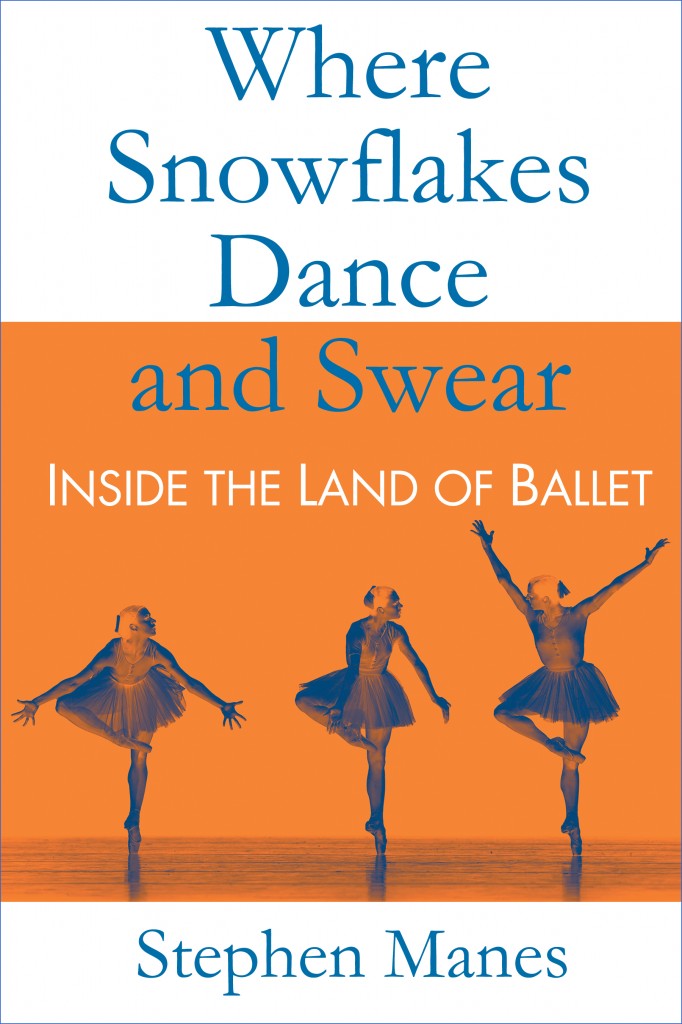
The best example of this is shown in Stephen Manes book, Where Snowflakes Dance and Swear, which catalogs a year in the life of PNB during my third season with the company. While preparing for our company premiere of Jean-Christophe Maillot's Romeo et Juliette, a flu epidemic struck the company. Due to scheduling and finances, the company only had about 2 1/2 weeks to learn the production, adapt to a foreign style of dance, and fine-tune the choreography. We barely got this production onstage and the company barely survived this illness. I don't remember exact numbers, but at any point during this 3-week period, at least 1/4 of the dancers had spiked fevers well over 102 degrees, lost their voices, had coughing fits, and more. But people still showed up. And if they tried to stay home for a day, like me, they were given a call by the artistic staff begging them to come to the studio to finish learning the ballet. While they didn't force anybody to come in, the pressure was immense. Beyond slowing down each dancer's ability to get healthy, this also risked spreading the highly contagious virus. And boy did it spread!
Dance training is already mildly to aggressively masochistic. But beyond the physicality of the profession, this shows part of the emotional masochism that exists in the dance world. Looking back to my post about emotional training in ballet, it is evident that dancers didn't just happen to turn out and act in this manner. It is taught. We are supposed to sacrifice all for our art. Stories aren't told about dancers who were wildly ill and took a few days to themselves and got better, which allowed them to dance better the next week and prove themselves ready to promote. How common is the story of the dancer that was so sick during a performance that they had to put trash cans in every wing for them to puke into during their exits from the stage? I have heard this same story from so many different dancers, I can't even count on both hands how many times I've been told it. And while the thought of this is gross and repulsive, these dancers tell this story with a sense of pride.
But this experience should not be lauded. I have said this time and time again and I am going to repeat it one more time. We are humans first and dancers second. Our health stays with us beyond our time as dancers. Beyond illness, there is injury. And while this isn't an injury post, it works all the same. The best way I can explain this is through a conversation I had with a friend a few weeks ago. As dancers, we are supposed to be a blank canvas which choreographers can paint a picture of dance on. A painter will never hear the canvas tell them that their brush strokes are too hard. A choreographer expects the same of a dancer. But if a painter pokes a hole through a canvas, they can still hang it on a wall and the canvas feels no pain. Where we differ as dancers is, if the process of our art "pokes a hole" in our bodies or health, we still have to live our lives and experience our non-dancing hours in pain and poor health. It is very difficult to make a reasonable decision about fighting through illness or pain. How does one determine whether it is workable or pushing into a danger zone? It is individual.
As dancers, we can't open up our computer and perform satellite work from home. We need to be present to retain information, study intricate combinations, and gain stamina. The ironic part of the whole situation is that the work of a dancer is one of the most hands-on and communal work experiences available. We touch each other, hold hands, and talk very closely throughout the entire rehearsal process. It would seem obvious that employers should want to keep sick dancers away from healthy dancers to prevent the spread of illness. But in the end, the dancer makes the decision to show up to work ill, and employers rarely send dancers home for being sick. Beyond this, when a dancer is not fully present in rehearsal or lacking energy, they are more likely to injure themselves or their partners. There are many aspects of being ill that would reasonably point to the concept of letting dancers rest at home until they are feeling somewhat better. Employers should want to give an ill employee a chance to get healthy before returning to the studio.
As I evaluate and analyze this issue in dance, I can't say that I necessarily follow my own advice. In the above story about my time with Rochester City Ballet, I obviously worked through a dangerous illness, especially as an asthmatic. As a freelance artist and a performer, I didn't feel that I had a choice in the matter. Over the last week, I was able to take time to let myself rest because of the intermittent period between gigs. But even without the requirement of showing up to work each day, I felt guilty and anxious. This is greatly due to our emotional training. While I did what any sane person would do and increased my chances of getting healthy faster, I couldn't allow myself to rest emotionally. This is one of the great challenges of a dancer.
I was perusing my Facebook this morning and there was a status update that sprung to my attention. The post was about Jenifer Ringer, who recently retired from New York City Ballet as a Principal for many years with the company. She talked about seeing a puddle of snowy slush on the street in New York and contemplated jumping over this puddle that was blocking her path. But then she stopped herself to consider what could happen if she performed such a feat. What if she slipped and fell and hurt herself? But then, instantly, she realized that she was retired and could do whatever she wanted, even if it could potentially cause injury. She stated, "Finally, my body was my own." And how true that statement is. As dancers, we have more control of our own bodies than any other beings on Earth. But as dancers, our career responsibilities and emotional upbringings take away our freedom to do what we wish, or need, to do with our bodies.
Well isn't this the story of my life. When I worked with Pacific Northwest Ballet, we had a 40-week contract. Essentially, we were handed a schedule of our upcoming year which dictated when we would work, rest, and gear up to get back in shape after resting. One area of my freelancing life that I have yet to get a handle on is how and when to take a break. I find that I have an overwhelming sense of anxiety about taking breaks and getting out of shape because I never know when work is going to appear out of thin air. Well, I finally decided to take a vacation with my partner to his hometown of Los Angeles for a week from July 3-10. I told my anxiety to take a break and let my body take one, too. Of course, the second I let my guard down, an old friend of mine sends me a text message a day before I return home from vacation. "Did you see there is an American in Paris audition in NYC 7/15?" My stomach started to sink, my legs began to shake (maybe this is an exaggeration), and my anxiety rose to the surface as reality started to set in. I had one week to get back in tip-top shape.
One of the most challenging aspects of freelancing is deciding when to take a break. I wrote a blog awhile back about the importance of taking breaks. A majority of the discussion was focused on why we take breaks and how to take them properly. One thing I didn't really touch upon was the anxiety that many dancers feel about getting out of shape. From a very young age, young hopeful children begin feeling the pressure of improvement. At a certain point in most dancer's training, they feel like they can't even rest a day in their training or they will start to fall behind everybody else. Even though I have already had a substantial career, I still fear that if I slow down for a moment I will fall behind everyone, as I did when I was a student. Putting that in writing, it doesn't even really make any sense. Who do I have to fall behind at this point? Myself. This thought of falling behind as a student translates into, "if I am not constantly training, working, rehearsing, etc., I am going to lose everything that I have worked for," as a professional.
I recently had a conversation with a friend about having a dance career versus a normal career. In most non-dance careers, you know that as you get older you will always have the knowledge that you've gained, even if your mind isn't as sharp, you sustain an injury, or you level out. Unfortunately, as a professional dancer, you know that at a certain point, while having the knowledge of all of your hard work, you will lose nearly everything you have worked for physically. Another friend of mine who recently retired from the professional ballet life was telling me that after a year of not dancing en pointe, while her body still knows how to do it, it doesn't have the strength to do it anymore. At her young age, she can, of course, work to get that strength back if she wishes. But in just under a year, one can lose 20 years of strength building. This is the best example of why we dancers fear taking a break so much.
My partner (R) and me (L) at the pier in Santa Monica
When I finished my season back in the middle of May, I didn't have a definitive day that I would be returning to any workplace to dance. With this in mind and no contracts signed, I knew that I couldn't just stop dancing for the summer. So, up until July 3, I have been taking regular classes every week and playing around with choreography in the studio on top of teaching. I wasn't in top notch shape, but if I needed to, I felt that I could gear it up and be close within a week or so. I did know that at some point during the summer, I just needed to enjoy the life of a normal human being. When I bought my plane ticket to L.A. I knew that this was that time. I told myself, "if something comes along, you will deal with it the best you can. You are not a robot and you deserve to lay on the beach, eat and drink whatever you want, and sleep in until whatever hour you wish." Unfortunately, and fortunately, life decided to miss my vacation memo and a very big opportunity was thrust in my face.
The view for my jog in Long Beach
As soon as I found out about this audition for a 6-week workshop to create the musical, "An American in Paris," choreographed by Christopher Wheeldon was taking place, I knew that I had no choice but to stop vacationing and desperately try to return to a somewhat functional level of dancing. After gaining acceptance to the audition, on the last day of my vacation, I began getting in shape. I did my ab series, gave myself a barre in the dining room of our friends condo, and jogged/walked 3 miles along Long Beach. I flew the next day and began an intense, but smart, 5-day period of getting back into shape.
While I definitely feel caught off guard in this moment, I am going into this audition hopeful and knowing that not only have I done everything that I can for this moment, but also everything I can for my dance career and being. Yes, one of my biggest fears as a freelancer has come to fruition. But at the same time, if I don't attempt to take breaks, my body and mind will probably not continue to love dance the way it does. So, as my Bolt bus is currently driving through the Lincoln Tunnel, I must bring this post to a close. But what it really comes down to is that dancers must take time off. Freelancers don't have the luxury of a regular stream-lined schedule. They need to always be in shape. And although that is not possible, they need to be prepared to not always be prepared as perfectly as they may wish. Although I am very hopeful and excited about tomorrow's audition, no matter the turn out, I will leave knowing that I did the best that I could. And not just for this one audition, but as a freelance dancer trying to exist in this sometimes spontaneous world.
(UPDATE: Although I wrote this on my way into the city, I am now editing it on my way out of the city. I won't say much, but the audition went very well. I was even asked to sing, my first time ever singing for an audition. :-)
The past year and a half has been quite challenging for me, adjusting
from the structure of a big-time union company to the wildly changeable life of
a freelance dancer. I began auditioning for companies while still working at
PNB, often on weekends. I would finish my workweek, take a cab to the airport,
fly across the country, audition, and then fly back to begin a new workweek
(sometimes flying back early Monday morning and going straight to work).
Following this extravaganza, I finished out my last season with the company,
moved across the country, danced job after job after job, and taught master
classes/subbed whenever possible. It was shocking to my system and I was very
clearly running full speed ahead towards burnout. About six weeks ago, my
partner made me take a day retreat to assess why I had started developing
extreme stress and anxiety symptoms in even the most minor situations. My
assessment: I hadn’t even realized that I had been dancing, working, teaching,
and stressing about so many life changes for 18 months without taking more than
a few days for myself. My plan? Take a month off from dance and dance work,
teach minimally, travel somewhere that isn’t in the Philadelphia region, and
dye my hair some fun color that I could never sport onstage.
Purple and Blue
Working full-time for a company has many great perks. Aside from
rep, finances, touring, and benefits, you are also given structure. PNB had a
great contract that provided forty weeks of work a year. This meant that we were
laid off for 12 weeks every year. Of course, you could continue dancing during
these weeks, but you were afforded the opportunity to take a break if you
wanted or needed. As a freelancer, you aren’t governed by an official calendar.
If work pops up, chances are you will take it. Freelancers, often living in
constant fear of financial disaster, tend to book their schedules dancing with
“this” company and teaching at “that” school and “that other” school. My summer
included me dancing two gigs in Philadelphia that rehearsed on completely
different sides of town and teaching at six different schools, some of which
were more than an hour commute each way. On top of all of this, I was taking
ballet class in the mornings, going to the gym daily, choreographing a solo
that I performed in the Philly Fringe Festival, keeping up this blog, looking
for new work, and so much more. I was literally running from place to place. As
in, I would dash down the street running to get to my next job. I didn’t have
time for anything. My bills were paid, but I wasn’t even aware until my retreat
that I couldn’t keep it up much longer. I clearly needed a break.
One of the hardest things to figure out is exactly when one should
be taking a break. There are two ways that you can figure this out. The first
way is to look at your calendar and determine how long you can practically dance
before giving your body a rest. Some dancers need time off after a couple
months, while others can go up to six months. One thing that I am sure of is that
no dancer can keep their body in peak physical condition 52 weeks a year. You
can put time off into your calendar, blocking out one or a few weeks. Of course,
these dates can be flexible in the event that a great opportunity presents
itself. But you should really try to commit to this time off. The other way to
determine when to take a break is impractical and dangerous. Many freelancers
beat themselves into the ground until they burn out or become injured. I
learned this lesson the hard way, but I figured things out just in time. The
hard part was that I didn’t even realize that I was approaching burn out.
In my mind, I was convinced that I had absolutely no choice but to
hustle around the city like a prostitute de ballet. At times, I didn’t have a
choice. But once I got in the flow of that constant rush and panic, I couldn’t
break the pattern. I was rushed and panicked about everything from making ends
meet to food shopping. How can you tell if you are approaching burn out? There
is no real answer to this question, as I feel that everybody handles stress and
workload differently. For me, I first noticed it in my breath. My partner
turned to me after I had reacted with unnecessary abrasiveness when he was
trying to help me accomplish a task and said, “I haven’t seen you take a full
breath in at least two weeks.” I was anxious about the simplest things. At
times, I couldn’t even handle our cats meowing when we prepared to feed them,
like they do every night. I had begun to lose my ability to cope with normal,
everyday stressors. This was my first sign. The second sign that I was running
myself into the ground was when I started to question whether I should continue
in my profession. Anybody that knows me personally is well aware that I am
quite the “bunhead.” I live for dance and try to immerse myself in the art as
much as possible. So, it was odd when I started thinking about what my life
would be like without dance in it. I knew that I was lying to myself, but I
also couldn’t stop playing with the idea. It was almost as if I was teasing
myself to take the bait. When burn out is approaching, it is almost like being
addicted to a drug. You start ingesting unhealthy thoughts. Though you are
quite aware that this kind of thinking is bad for you, you keep going back to
that negative thinking. If one gets to this point, it is necessary to take some
time off. Essentially, burn out can be a career-threatening injury.
When a dancer has determined that they need to take a break, how do
they prepare to take time off? Obviously, the most ideal way is to create some
type of savings. This way you can pay your bills and maybe even travel while
you are giving your body and mind a rest. With scattered or sometimes low
paying work, it can be difficult to create a savings. If you are unable to save
enough money to take an extended break, I suggest finding some way to make
money while avoiding dancing. Teaching is an option. But, if the plan is to stay
away from dance altogether, teaching may not be the best option. If you need to
continue bringing in income, perhaps, look for other work that isn’t dance
related. Not only will this give your body a chance to recover, but it will
hopefully give you time to miss dancing. I think it is important to miss
dancing every once in awhile. It builds a greater appreciation for and want to
dance. Doing other jobs also gives you a greater range of work experience that
will benefit you when you retire from dancing. One could look for desk work at
a dance/non-dance institution. If one is looking for short-term work, they
could check out Craigslist or ask around. I know some friends that even mention
that they are looking for short-term work on Facebook. No matter the avenue,
just make sure that you feel comfortable with the situation and that you trust they
will compensate as agreed upon prior to doing the job.
Corona Del Mar in Orange County, CA
The best way to take a break is to get out of your working
environment for a bit. It was hard for me to stop working, even when I
committed to taking some time away from the studio. Because I work from home
when I’m not in the studio, it is impossible for me to 100% get my mind off
work in my house. To achieve this, my partner and I traveled across the country
to Los Angeles for a week. We had a bit of money saved up, but we didn’t have
the funds to do a luxurious vacation. We decided that the best way to do this
would be to visit my partner’s hometown. He has tons of family and friends in
LA, so this seemed like a great option. We both have a credit card directly
linked to an airline, so we were able to use a voucher to greatly reduce the
price of flying. Essentially, we paid for one round-trip ticket and split the
cost. Then, once we arrived in LA, we either stayed with friends or family.
This cut the cost of hotels. The only expenses that we needed to afford were
food and renting a car. My suggestion if you want to get out of your home-base
is to find a location where you can stay with a friend or family and make it
work. If that isn’t a possibility because you need to stay home to work, I
would suggest, at least, taking a weekend get-away. Take a train/bus/drive to
another town or city nearby. If you can afford one night at a hotel, go for it.
If not, go on Groupon or Livingsocial and look for deals or adventures that
will get you out of the house and offer a fun or new experience. Whatever you
do, be sure that you are giving yourself a chance to enjoy yourself.
Freelancing is stressful and requires time to decompress and get your mind off work.
I began this blog en route to Los Angeles and am finishing the post
a day after arriving back home. I didn’t touch it the entire week I was taking
a break, even though I was tempted. Lynne Goldberg (link in my friends of
freelancers column) is a life-coach for many great dancers in our community, including
Edwaard Liang, Maria Kowrowski, and Kathryn Morgan. We were having a
conversation a couple of months ago where she mentioned that repeated thoughts
create wiring in the brain. Once you have created that wired connection, it is
hard to break the pattern of thought. I really agree with this concept. I spent
a large part of my vacation struggling with guilt that I was getting out of
shape, falling behind in work, and losing valuable opportunities that I should
be seeking. Even with these thoughts, I did not work. The emails and phone
calls came in and I responded that I wouldn’t be available until the following
week. I feel that the reason I struggled so much to relax was because I have wired
my brain to be in a constant state of staying in shape, looking for work, and
stress for the last 18 months. I still need to work on relaxing and taking time
for myself, but this vacation was a good first step. I am positive that taking
short breaks more often will help me find a healthier balance, physically and mentally.
In this difficult career, not only do we have to enjoy our work, but we need to
find time away so that we remain healthy and passionate about our artform.
Driving into the sunset (and palm trees) in Long Beach