I'm pretty good at gauging how much time I need to prepare for a series of performances. I figured it would take about two weeks to gear up for my next job dancing Romeo in Fort Wayne Ballet's production of Romeo and Juliet. Today, I missed class for the second time in one week. I just felt too horrible to get out of bed. And while I know that my body desperately needed the rest, I still felt guilty and nervous that I won't feel perfectly prepared when I leave in a little over a week.
 |
| Sometimes, you just need a few extra hours of rest |
When I was guesting with Rochester City Ballet for their 2012 performances of The Nutcracker, I came down with a horrible case of bronchitis. I resisted going to the doctor for awhile, but, beyond my energy levels being depleted, I could barely breathe my way through rehearsals. I have had pretty severe asthma since I was a little kid. It is much better as an adult, but when I get sick my condition can go downhill fast. I was huffing and puffing through rehearsal, coughing, and barely making it through my short rehearsal days. My mindset was that this company had never seen me dance before and I needed to prove to them that they hired who I said I was. And I was who I said I was, just an ill version of him. I finally went to an urgent care center, where I was diagnosed with bronchitis. I was given a breathing treatment on-site, an extended oral steroid treatment, and some opiate cough syrup to let me sleep. While I felt like death, often struggling to breathe, and felt lightheaded from the steroid medication, I still showed up for rehearsal every day and pretended like everything was fine. In fact, I never even considered asking to take a day off to rest.
 |
| Me in the front on the right - I was sick during this rehearsal (Photo: Bill Hebert) |
While this issue is widespread in the freelance dance world, it is just about as common in the unionized dance world; where companies must provide sick and personal days to their employees. When I danced with Pacific Northwest Ballet, it was almost frowned upon to take a day off if you weren't feeling well. Although the organization did have more money, the dance art's financial mindset remains the same. With more performance programs offered throughout the year and, at times, multiple casts performing, there is still limited rehearsal time for productions. This time-crunch puts a lot of pressure on dancers, who feel that they already have a time-crunch to fit as many roles into their short career as possible. If a dancer feels too ill to come in for a day or two, they often miss strategic rehearsals where choreography is taught. If the artistic staff doesn't feel they have enough time to catch that dancer up, there is great possibility that they may take them out of a hard-earned role. That role could very well be the one that pushes their career forward. For this reason, I have seen dancers, who may be extremely ill and highly contagious, show up to rehearse for a full 6-hour day. And even worse, people often applaud their effort, from a healthy distance, of course.
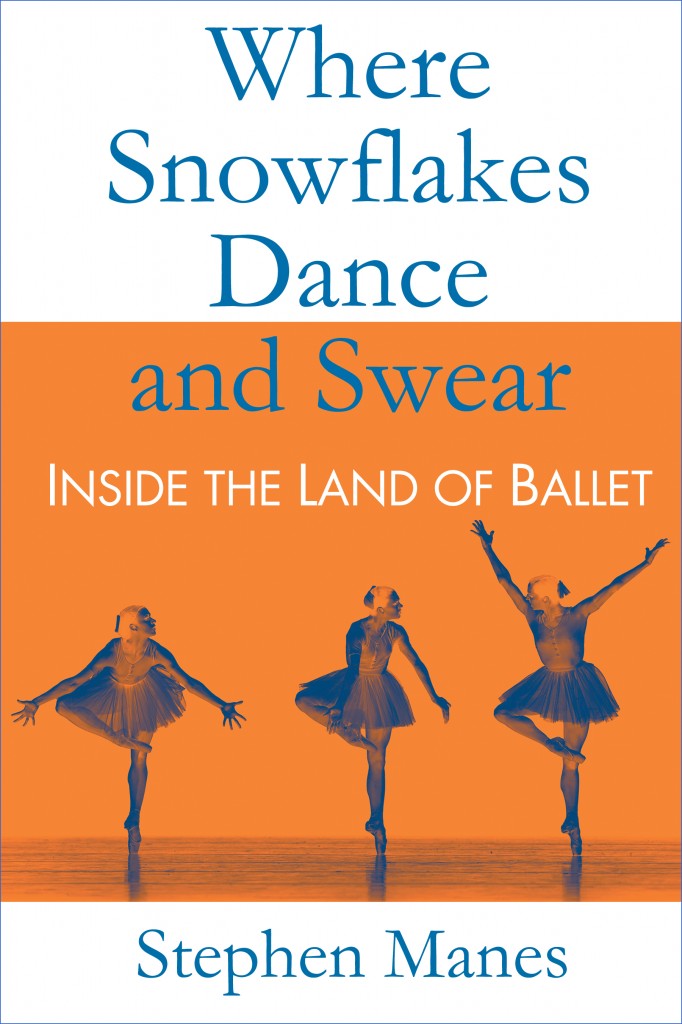 The best example of this is shown in Stephen Manes book, Where Snowflakes Dance and Swear, which catalogs a year in the life of PNB during my third season with the company. While preparing for our company premiere of Jean-Christophe Maillot's Romeo et Juliette, a flu epidemic struck the company. Due to scheduling and finances, the company only had about 2 1/2 weeks to learn the production, adapt to a foreign style of dance, and fine-tune the choreography. We barely got this production onstage and the company barely survived this illness. I don't remember exact numbers, but at any point during this 3-week period, at least 1/4 of the dancers had spiked fevers well over 102 degrees, lost their voices, had coughing fits, and more. But people still showed up. And if they tried to stay home for a day, like me, they were given a call by the artistic staff begging them to come to the studio to finish learning the ballet. While they didn't force anybody to come in, the pressure was immense. Beyond slowing down each dancer's ability to get healthy, this also risked spreading the highly contagious virus. And boy did it spread!
Dance training is already mildly to aggressively masochistic. But beyond the physicality of the profession, this shows part of the emotional masochism that exists in the dance world. Looking back to my post about emotional training in ballet, it is evident that dancers didn't just happen to turn out and act in this manner. It is taught. We are supposed to sacrifice all for our art. Stories aren't told about dancers who were wildly ill and took a few days to themselves and got better, which allowed them to dance better the next week and prove themselves ready to promote. How common is the story of the dancer that was so sick during a performance that they had to put trash cans in every wing for them to puke into during their exits from the stage? I have heard this same story from so many different dancers, I can't even count on both hands how many times I've been told it. And while the thought of this is gross and repulsive, these dancers tell this story with a sense of pride.
But this experience should not be lauded. I have said this time and time again and I am going to repeat it one more time. We are humans first and dancers second. Our health stays with us beyond our time as dancers. Beyond illness, there is injury. And while this isn't an injury post, it works all the same. The best way I can explain this is through a conversation I had with a friend a few weeks ago. As dancers, we are supposed to be a blank canvas which choreographers can paint a picture of dance on. A painter will never hear the canvas tell them that their brush strokes are too hard. A choreographer expects the same of a dancer. But if a painter pokes a hole through a canvas, they can still hang it on a wall and the canvas feels no pain. Where we differ as dancers is, if the process of our art "pokes a hole" in our bodies or health, we still have to live our lives and experience our non-dancing hours in pain and poor health. It is very difficult to make a reasonable decision about fighting through illness or pain. How does one determine whether it is workable or pushing into a danger zone? It is individual.
As dancers, we can't open up our computer and perform satellite work from home. We need to be present to retain information, study intricate combinations, and gain stamina. The ironic part of the whole situation is that the work of a dancer is one of the most hands-on and communal work experiences available. We touch each other, hold hands, and talk very closely throughout the entire rehearsal process. It would seem obvious that employers should want to keep sick dancers away from healthy dancers to prevent the spread of illness. But in the end, the dancer makes the decision to show up to work ill, and employers rarely send dancers home for being sick. Beyond this, when a dancer is not fully present in rehearsal or lacking energy, they are more likely to injure themselves or their partners. There are many aspects of being ill that would reasonably point to the concept of letting dancers rest at home until they are feeling somewhat better. Employers should want to give an ill employee a chance to get healthy before returning to the studio.
As I evaluate and analyze this issue in dance, I can't say that I necessarily follow my own advice. In the above story about my time with Rochester City Ballet, I obviously worked through a dangerous illness, especially as an asthmatic. As a freelance artist and a performer, I didn't feel that I had a choice in the matter. Over the last week, I was able to take time to let myself rest because of the intermittent period between gigs. But even without the requirement of showing up to work each day, I felt guilty and anxious. This is greatly due to our emotional training. While I did what any sane person would do and increased my chances of getting healthy faster, I couldn't allow myself to rest emotionally. This is one of the great challenges of a dancer.
I was perusing my Facebook this morning and there was a status update that sprung to my attention. The post was about Jenifer Ringer, who recently retired from New York City Ballet as a Principal for many years with the company. She talked about seeing a puddle of snowy slush on the street in New York and contemplated jumping over this puddle that was blocking her path. But then she stopped herself to consider what could happen if she performed such a feat. What if she slipped and fell and hurt herself? But then, instantly, she realized that she was retired and could do whatever she wanted, even if it could potentially cause injury. She stated, "Finally, my body was my own." And how true that statement is. As dancers, we have more control of our own bodies than any other beings on Earth. But as dancers, our career responsibilities and emotional upbringings take away our freedom to do what we wish, or need, to do with our bodies.


