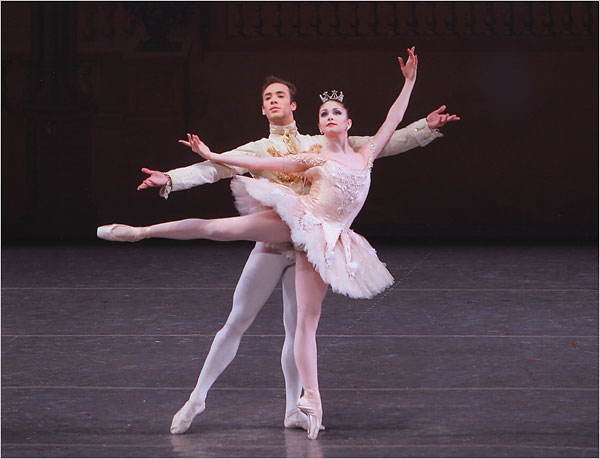
Life of a Freelance Dancer is a blog, journal, and tool for those who are interested in freelancing themselves, that want to know the ins and outs of freelance work, or are just curious about the life of a freelance dancer.
4.15.2016
"Pas de Chat: Talking Dance" launches on Itunes
It is with incredible excitement that I share this news with you. Over the past few months, I have been working with a producer to create my very own podcast as a part of a new and first-of-its-kind network featuring dance. Pas de Chat: Talking Dance launches TODAY on itunes as a part of the Premier Dance Network. Listen in every Friday for a weekly conversation on all aspects of the professional dance world. We will be releasing 6 episodes over the next week or so as a part of our launch here (http://balancing-pointe.com/pas-de-chat-podcast/). Also, be sure to Subscribe on iTunes, rate, comment, and download our episodes by clicking here!
As host of this podcast, I will candidly share my experiences and thoughts on the workings of the dance world as I travel the globe creating ballets, teaching future generations of dancers, and performing for audiences. This podcast will premiere alongside Kimberly Falker's Balancing Pointe, Megan Fairchild's Ask Megan, and the young aspirant dancer's Becoming Ballet (currently listed as New & Noteworthy on Itunes) podcasts on the Premier Dance Network.
I just want to take a moment to give all of you, my readers, a special SHOUT OUT and a huge thank you for supporting me and reading Life of a Freelance Dancer over the past 4 years as I have shared my experiences, knowledge, and insight that I have gained throughout my dance career. Through your interest, viewership, and support, I was featured in Dance Magazine this past February alongside New York City Ballet Principal Megan Fairchild and her podcast. After reading this article, Premier Dance Network producer Kimberly Falker reached out to me seeking my insight and voice for a new show on her channel. From there, we started the process of producing Pas de Chat: Talking Dance. This podcast will not be replacing my work here at Life of a Freelance Dancer. Instead, it offers me a new platform to talk about a broader set of topics relating to dance and to gain greater exposure for myself, this blog, and the art form of dance. You will still have plenty to read on here!
Now, after months of preparation, this podcast is available for free on iTunes and on the Premier Dance Networks website (official site to come soon). You can listen to the first episode NOW by clicking on this link here! Enjoy!
Labels:
Ask Megan,
Balancing Pointe,
Becoming Ballet,
choreograph,
Dance,
Dance Magazine,
free,
host,
ITunes,
Kimberly Falker,
launch,
Megan Fairchild,
Pas de Chat: Talking Dance,
podcast,
Premier Dance Network,
teach
4.04.2016
I'm a Modern Day Gypsy
| Typical moment in the life of a Modern Day Gypsy |
Back when I first moved to Philadelphia in June of 2011, I met a peer and colleague whom I had known of since competing against him in the first two years of the international youth ballet competition, Youth America Grand Prix (circa 2000). Robert Colby Damon, or Colby, had been working as a freelance artist for a few years by that point. I knew, with my 22-week contract, that I’d have to endure a small amount of freelancing work. But I had no idea what I was truly in for. Colby and I used to talk about his couch-surfing habits and his fly by the seat of his pants housing situations. I probably sat talking to him, mouth agape, trying to comprehend how he lived like this. Little did I know, that I was about to fly through my own crash course in modern day gypsy-ism.
![]() |
| My First Gypsy Bed in NYC |
| My Washington Heights Sublet & My Weekly Packing Ritual |
One thing that a lot of people wonder is how I cope with the irregularity of this lifestyle. Honestly, sometimes, I don’t. Sometimes, I ignore my own needs and keep pressing forth to create my art and pay my bills. This is a bad way to deal with things. And as I learned back in 2014, it can lead to severe, nearly-crippling burn out. What I have found that helps is to acclimate fast, find what comforts you absolutely require, and to stay connected with people in your life in order to maintain some semblance of normalcy.
| Seen on my acclimation walk in Richmond, VA |
As for comforts, I know I’m a fully-grown man, but I travel and sleep with a little stuffed animal that my partner gave me as a gift the first year that I started traveling for work. I haven’t slept with a stuffed animal since I was a little kid. But the discomfort of sleeping somewhere foreign and having an empty bed makes this more comforting than you could imagine. Or in another case, if your morning routine requires coffee (like mine, and lots of it), if coffee isn’t readily available, buy some instant coffee. No matter how poor the quality of the brew, it will be comforting to know it is still somewhat within your control.
Lastly, be sure to keep communication lines open with friends and family. One of my biggest challenges, as my workload involves a great deal of in-studio and out of studio effort, is to make contact with those that I love and who love me back. Text messages don't always feel extremely personal. I like to use chat apps (like Facebook messenger), phone calls, or Facetime/Skype calls to have a full conversation versus broken apart text chats that may span days. I feel it is important for any gypsy to be surrounded by people they know beyond acquaintances on a regular basis, even if not in person. At times, I have felt like I was losing sense of who I was before I started freelancing. I used to have a group of friends and co-workers that would joke, tease, and laugh with (and sometimes at) me. Whether they were lovingly pointing out my flaws or supporting me in an unnecessary moment of distress, I always knew who I was as I saw my reflection in their attention. I lost this for some time as I became too focused on my work. So, be sure to note the factors that bring normalcy into your life and try to keep them with you on the fly.
Sometimes, I wish that I never knew what it felt like to be a gypsy. And part of the reason that I am residentially floating around New York City is to find a place to call my career-home. It’s both emotionally and physically exhausting. But at the same time, I find myself constantly peering back into history at my 15 year old self and imagining what he would think if somebody told him this would be his life one day. It’s fascinating and horrifying. Exciting and nerve-wracking. I don’t have long flowing garb or dangly earrings. I’m not quick-witted or sassy. I’m a 5’ 10’’ Jewish gay white boy who wears the same clothes that everybody else does. Yet, it wouldn’t be odd for you to see me pass you by with a carry-on sized piece of luggage dragging behind me. My name is Barry Kerollis and I am a modern day gypsy.
| Living that Gypsy Life |
Labels:
acclimate,
Bolt bus,
broadway,
Chelsea,
comfort,
communication,
Guggenheim,
gypsy,
In The Heights,
musical,
New York City,
NY,
NYC,
Pacific Palisades,
Philadelphia,
sublet,
Washington Heights
3.18.2016
Freelancing from a Woman's Perspective
Alright, let’s be honest here. Nearly everything in the dance world is easier if you are a man. Not to say that those of us at the top of our professional game haven’t worked our butts off to get to where we are. But it is easier for boys to get scholarships, there are fewer guys at most auditions, and males are often given a bit more leeway in a professional work environment. Although this is a grand generalization, women definitely have more difficulty finding work due to a larger pool of competition. The challenge of finding work as a female dancer can be magnified when starting up a career as a freelance dancer.
Since all of my posts clearly come from my experience as a man in the freelancing world, I want to offer my viewers a chance to hear what it is like from a female perspective. I reached out to my friends Kathryn Morgan, Allynne Noelle, and Miriam Ernest to offer their experiences, thoughts, and advice for any woman trying to break into or sustain a freelance career. Enjoy!
The Freelance Artists:
Kathryn Morgan (New York-based): Former Soloist w/New York City Ballet. Youtuber. Writer of popular monthly advice column, Dear Katie, in Dance Spirit.
Allynne Noelle (Los Angeles-based): Former Principal w/Los Angeles Ballet & Soloist w/Miami City Ballet.
Miriam Ernest (New York-based): Former dancer w/Grand Rapids Ballet.
The Interviews:
What type of freelance work have you performed?
KM: Freelancing has been quite a new experience for me. At first I was just
trying to get well from my illness, so performing wasn’t the main focus.
But it actually helped me heal, and I rediscovered my love for ballet.
Since leaving NYCB, I have gotten to do some really great performances. I
have danced Odette/Odile in Swan Lake, guested in various Nutcrackers as
the Sugarplum Plum Fairy, and performed in the world premiere of Snow White in the ballet's title role with
Mobile Ballet. I also put on An Evening with
Kathryn Morgan in Cleveland, where I shared my most personal experiences in an intimate performance.
AN: I currently dance with The Suzanne Farrell Ballet. Suzanne and her company are everything I have ever wanted in my professional life. Being a part of her company led me to make the decision to leave Los Angeles Ballet and supplement the rest of my year with freelancing. In the past, I have worked as a principal guest artist with Sacramento Ballet, State Street Ballet, and Inland Pacific Ballet. I have also guested for numerous schools and pre-professional companies.
ME: I have danced with The Suzanne Farrell Ballet for four seasons. In addition to this, I have freelanced with Emery LeCrone Dance, New Chamber Ballet, Ballet NY, Kathryn Posin Dance Company, Les Grands Ballets Canadiens de Montréal, and Texture Contemporary Ballet.
How did you get into freelancing?
ME: Each season with The Suzanne Farrell Ballet is short, usually about a month or so per year. My first season with Ms. Farrell was so wonderful and inspiring that I knew I wanted to keep returning. I realized I needed to find a place to continue growing as an artist, generate income, and stay in shape while TSFB was out of season. Freelancing was the natural choice.
Being new to freelancing, what have been your biggest challenges?
AN: The idea of freelancing sounds relatively simple when you think about it with the security of a full year contract. During my time under contract with Los Angeles Ballet, I was approached to guest with Sacramento Ballet, Inland Pacific Ballet, and Imagine Ballet Theatre (plus various Nutcrackers). I had to request time off during rehearsal weeks in order to accept outside work. I performed at the annual Dizzy Feet Gala performance one summer in LA, which fell conveniently during a layoff period. It all seemed simple and fluid. It's very different when you look at freelance work as a full-time job, requiring a full income to live, as opposed to when you see it as bonus or supplement to an already existing contract and income. I'm a planner and I like to know things far in advance. That really isn't something that comes with the freelance/guest artist life. I think when you're in a company, especially at the top end of the ranks, you're naturally relevant. When you no longer have that company affiliation to your name, unless you're working and performing you aren't really relevant at all. You're only on the radar when you're busy. It's like you disappear in between work. I was never big on social media, but I have found that it is an essential tool to keep people apprised of what I'm doing currently, my past contributions I have made to the art form, what lies ahead, etc.
Do you think that company credentials are necessary or helpful to work as a freelance artist?
ME: Yes and no. I think company credentials help a lot. I also think staying in shape and being your best self in class and interactions with choreographers/directors are just as important. I’ve seen men and women with impressive company credentials get fired because they were unpleasant to work with in the studio.
Tell me about freelancing in New York City.
ME: I knew New York had a huge dance scene and several of my friends were already freelancing there. New York has plenty of places to take quality dance classes during and in between gigs, which can be difficult to find elsewhere. Most of my work is in the city, although I do travel to and from Washington, DC at least once a year to dance with TSFB.
ME: For me, an ideal gig is dancing for someone who believes in me and trusts me as an artist, and whom I respect in return. It includes getting paid an appropriate amount and provision of or reimbursement for pointe shoes and physical therapy.
What are the best/worst things about freelancing?
ME: The best thing is the freedom to pursue whatever movement and choreographers interest me. The worst thing is not having a constant income and having to pay for physical therapy, daily ballet classes, and pointe shoes on my own.
If you would like to check out more information about these lovely freelancing women or contact them for work, check out their information below.
Kathryn Morgan:
Website: http://kathrynmorganonline.com/
Youtube Channel: https://www.youtube.com/user/Tutugirlkem
Instagram: https://www.instagram.com/kathryn_morgan/
Twitter: https://twitter.com/Kathryn_EMorgan
Allynne Noelle:
Website: www.allynnenoelle.com (coming soon)
Email: Allynne.noelle@gmail.com
Instagram: https://www.instagram.com/allynnenoelle/
Miriam Ernest:
Website: www.miriamernest.com
Instagram: https://www.instagram.com/miriamernest/
Since all of my posts clearly come from my experience as a man in the freelancing world, I want to offer my viewers a chance to hear what it is like from a female perspective. I reached out to my friends Kathryn Morgan, Allynne Noelle, and Miriam Ernest to offer their experiences, thoughts, and advice for any woman trying to break into or sustain a freelance career. Enjoy!
The Freelance Artists:
Kathryn Morgan (New York-based): Former Soloist w/New York City Ballet. Youtuber. Writer of popular monthly advice column, Dear Katie, in Dance Spirit.
Allynne Noelle (Los Angeles-based): Former Principal w/Los Angeles Ballet & Soloist w/Miami City Ballet.
Miriam Ernest (New York-based): Former dancer w/Grand Rapids Ballet.
The Interviews:
What type of freelance work have you performed?
![]() | |
| Kathryn Morgan in Sleeping Beauty w/Tyler Angle (Photo: Paul Kolnik) |
AN: I currently dance with The Suzanne Farrell Ballet. Suzanne and her company are everything I have ever wanted in my professional life. Being a part of her company led me to make the decision to leave Los Angeles Ballet and supplement the rest of my year with freelancing. In the past, I have worked as a principal guest artist with Sacramento Ballet, State Street Ballet, and Inland Pacific Ballet. I have also guested for numerous schools and pre-professional companies.
ME: I have danced with The Suzanne Farrell Ballet for four seasons. In addition to this, I have freelanced with Emery LeCrone Dance, New Chamber Ballet, Ballet NY, Kathryn Posin Dance Company, Les Grands Ballets Canadiens de Montréal, and Texture Contemporary Ballet.
How did you get into freelancing?
![]() |
| Photo shoot (Photo: Rachel Neville) |
Being new to freelancing, what have been your biggest challenges?
AN: The idea of freelancing sounds relatively simple when you think about it with the security of a full year contract. During my time under contract with Los Angeles Ballet, I was approached to guest with Sacramento Ballet, Inland Pacific Ballet, and Imagine Ballet Theatre (plus various Nutcrackers). I had to request time off during rehearsal weeks in order to accept outside work. I performed at the annual Dizzy Feet Gala performance one summer in LA, which fell conveniently during a layoff period. It all seemed simple and fluid. It's very different when you look at freelance work as a full-time job, requiring a full income to live, as opposed to when you see it as bonus or supplement to an already existing contract and income. I'm a planner and I like to know things far in advance. That really isn't something that comes with the freelance/guest artist life. I think when you're in a company, especially at the top end of the ranks, you're naturally relevant. When you no longer have that company affiliation to your name, unless you're working and performing you aren't really relevant at all. You're only on the radar when you're busy. It's like you disappear in between work. I was never big on social media, but I have found that it is an essential tool to keep people apprised of what I'm doing currently, my past contributions I have made to the art form, what lies ahead, etc.
Do you think that company credentials are necessary or helpful to work as a freelance artist?
ME: Yes and no. I think company credentials help a lot. I also think staying in shape and being your best self in class and interactions with choreographers/directors are just as important. I’ve seen men and women with impressive company credentials get fired because they were unpleasant to work with in the studio.
| Allynne Noelle (Photo: J. McMerty) |
AN: I
don't think more or less marketable would be how I would look at it, so
much as the degree of ease I previously thought I would experience
marketing myself. I know my value set, my work ethic, and my talent.
When you're in a full-time company, all that information is known and
speaks for itself. When you freelance, you have to remind the ballet
world of all you are as a dancer and person, and advocate for the
strengths you can offer any institution.
Have you had any difficulty finding freelance work?
KM: Thankfully, most of my work has been offered to me at this point. I have
been very fortunate in that. And when I was ill. I wasn’t interested in
doing a ton of guesting anyway. So up until now, it has been a perfect
amount.
ME: I don’t necessarily find it difficult to find work. I do find it more difficult to find work that I am genuinely interested in and that pays well. While I am appreciative of every offer, I have learned to be selective to ensure safe working conditions and adequate pay. I babysit on the side to supplement income. It is something I love doing that isn’t too strenuous for my body.
How has your perspective changed since you started freelancing?
AN: I
definitely realize now that the act of obtaining freelance work is very
much a job in itself. Under a full season contract, freelance
offers came occasionally and were always a bonus. I assumed
that simply having an open calendar and being more readily available for
freelance work would directly
boost the number of offers I received. You absolutely need to seek the
work for it to come to you. People show interest in me and seek me out
based on my resume. Also, previous relationships and connections work in my favor. But, I still have to remind others of my
availability.
How do you promote yourself/find work?
![]() |
| Kathryn Morgan in Balanchine's Nutcracker (Photo: Paul Kolnik) |
KM: I
promote myself through social media, my website, and YouTube. I
actually probably need to do a better job promoting myself to actual
employers. I do find it difficult posting about myself all the time or
reaching out to people basically saying “Hire me!” I have never been
good at that, but I am working on it. While
I was still sick, I started watching YouTube videos as a distraction.
It suddenly occurred to me that for the thousands of beauty gurus online, there
were no ballet dancers on YouTube. I wasn’t under a company contract at
the time, so I thought I would make a few videos and see what happened.
I never expected it to turn into what it has!
AN: I
quickly realized that I wasn't very accessible or search-able to those I
don't already know. I was never much for social media. I quickly
realized the importance of branding myself and creating a solid social
media presence. So, I have been working on that, as well as my website
(which will launch very soon). I
signed with a ballet agent based in New York City, and hopefully he will bring
work that I wouldn't otherwise find for myself. A lot of this career is
networking. I am a believer in cold-emails; introducing myself to companies who might need a principal female. I
think it's hard for most dancers to become their own agent and
advocate for themselves. We are trained from such a young age to do as
we are told and deliver what's asked of us. My dancing has always
spoken for itself. All I have ever had to do is dance in front of
someone to get the job, the role, etc. Now, as a freelance ballerina, I
have to speak out! I have learned to advocate for myself.
Tell me about freelancing in New York City.
![]() |
| Miriam Ernest (Photo: Joerg Didlap) |
What is your ideal job?
AN: My
ideal jobs are mostly those I have been fortunate enough to do thus
far. Short stints with professional companies in need of a principal
female. My hope is to build a lasting
relationship with these companies and return for future programs. I love the nature of guesting/freelance work. It's
exciting, and also extremely beneficial as an artist to be constantly
exposed to different dancers, new partners, and fresh eyes for coaching. I
also really enjoy guesting for youth and pre-professional companies. I
find it extremely gratifying to interact with dancers approaching that
time where they may potentially make this art form a career. I can inspire
them and offer any helpful insight I can!
ME: For me, an ideal gig is dancing for someone who believes in me and trusts me as an artist, and whom I respect in return. It includes getting paid an appropriate amount and provision of or reimbursement for pointe shoes and physical therapy.
What are the best/worst things about freelancing?
ME: The best thing is the freedom to pursue whatever movement and choreographers interest me. The worst thing is not having a constant income and having to pay for physical therapy, daily ballet classes, and pointe shoes on my own.
Do you have any advice for women that are interested in freelancing?
KM: I think the advice I would give to women who are freelancing is the same
advice I need to hear. Don’t be afraid to put yourself out there!
People need to be able to find you and see your work. You can still be
kind and not pushy, so go for it!
![]() |
| Allynne Noelle in Agon w/Ulrik Birkkjaer (Photo: Reed Hutchinson) |
AN: I'm
still learning myself! But thus far, I would say a most important piece
of advice is to always be prepared. Work can come when you least expect
it, and you want to be ready. You want to feel good about yourself and
your dancing and put your best self forward. First
impressions are important in any career, especially ballet. Stay in
class and stay focused, even if you're frustrated. I like to spend my
downtime taking class and supplementing it with barre, Pilates, or yoga
and time at the gym.
ME: Don’t be afraid to inquire about pay and politely decline offers if gigs don’t make sense for you financially or interest you artistically. Use time between projects to cross-train, network, and market yourself. Be kind to everyone you meet. You never know who someone is, especially in an open class. Freelancing is challenging, but can be artistically and personally rewarding.
What upcoming gigs are you looking forward to?
KM: An organization called Ballet in the City is
presenting me at the Kennedy Center in Washington, DC, sponsored by Bloch dancewear. It is an entire evening about my life and career. I
will be dancing a wide variety of pieces; some classical, some
Balanchine, and a few new things. Performances are on March 29 &
30th at 7pm. I will also be teaching master classes at Washington Ballet
on March 31. Here is the link for tickets: https://www.kennedy-center.org/calendar/event/RQXBN
AN: I will be performing with Sacramento Ballet all month in their Bach to Now and Beyond program (March 17-April 2). I
will be featured in a workshop performance, premiering excerpts of a
new ballet by Melissa Barak, in New York City (May 2) and then working with
Barak Ballet after that in Los Angeles.
ME: Currently, I am looking forward to performing with Emery LeCrone Dance at Jacob's Pillow on June 23.
If you would like to check out more information about these lovely freelancing women or contact them for work, check out their information below.
Kathryn Morgan:
Website: http://kathrynmorganonline.com/
Youtube Channel: https://www.youtube.com/user/Tutugirlkem
Instagram: https://www.instagram.com/kathryn_morgan/
Twitter: https://twitter.com/Kathryn_EMorgan
Allynne Noelle:
Website: www.allynnenoelle.com (coming soon)
Email: Allynne.noelle@gmail.com
Instagram: https://www.instagram.com/allynnenoelle/
Miriam Ernest:
Website: www.miriamernest.com
Instagram: https://www.instagram.com/miriamernest/
3.13.2016
How to Come Back After an Injury
I have been living between New York City and Philadelphia for nearly 2 months at this point. And while I am still working hard on finding stable teaching and choreographic work, it has allowed me plenty of time to ease myself back into shape with my favorite NYC ballet teacher, Nancy Bielski, as well as trying some new instructors and dance styles (I just tried Gaga at the Mark Morris Dance Center) to expand my scope of the scene up here. While I have been getting a great many questions about what I'm auditioning for or where I am performing, I've found it nearly impossible to explain my situation. In fact, I don't really know what my situation is and where the performing part of my career is leading me. For a long time, I tried to force myself back into shape after suffering such a severe injury in Oakland nearly 2 years ago. At times, I went about this in the appropriate ways. But at other times, even with 13 years of dancing professionally behind me, I fell down a path that was not most conducive to repair. I found it difficult to appropriately strengthen a body damaged by years of wear and tear and a mind weakened by too many daunting situations in too short a period of time.
The inspiration for this post? The other day I found that one of my former students had posted three photos of herself on her Facebook account. Initially, I was cheerful to see this talented student posting some photos. But I quickly realized that these images, which included big jumps and extreme extensions, had been taken only one day after returning from nearly 6 months off due to injury. Granted, this student is a child, I was mortified to think that she had spent so much time off in order to return healthy to dance and out of pain. Whether she was motivated to post these photos online out of excitement or ego, I'm actually glad that this happened. Not only did this allow me to intervene to keep this dancer on the right path. It reminded me that I (ripe into my 30's) have committed such acts of excitement, even if I didn't post images of it online.
There is no guidebook for returning from an injury. Every injury is different and every person's body will react differently to therapy, conditioning, and exercises. But what I have learned is that there is truly an appropriate way to come back from a long-term injury. After your doctor has given you the OK to return to class, you must resist the urge to jump into class full force. Getting the green light to return to dance doesn't mean that the work of recovery is over. It means that you are in a safe place to start producing the building blocks of your technique.
![]() |
| My "barre" at the gym |
![]() |
| Posing for Instagram, but only working up to tendus this day |
At this point, now that I can complete barre to a degree, I feel comfortable to finally enter a classroom. Again, after speaking with the teacher before class starts, I feel more at liberty to do things on my terms. For the next few weeks, I work my way towards jumps. Sometimes, I add one combination a day. Sometimes, I choose to only execute combinations like adagio once to allow my body to acclimate. The biggest part of this return game is to make sure that I am pushing myself along my own schedule without holding back everywhere because of fear or pushing too quickly out of impatience or excitement.
I am mostly reluctant to take any dance classes outside of the genre of ballet during my recovery period due to the structure provided by ballet class. Most classes in contemporary, jazz, musical theatre, hip hop, and beyond begin with a warm-up in center, followed by technique exercises and choreography. The structure of a ballet class gives you something to hold on to for starters (barre), a period of time between each exercise to analyze how your body is responding to information, and an easy opportunity to bow out when you have reached your maximum. Dance classes in other genres, at the beginning of a recovery period, can make it difficult to gauge when and where to stop and can potentially prolong recovery or result in new injury.
After I have progressed past center, I spend the most attention coddling my jumps. Throughout this past recovery period, I began to get in shape and then fell off the wagon due to my Core-ography project, traveling for work, and a lack of classes that inspired me. Now that I am in New York and back on track, it has taken me nearly one and a half months to finally finish class. Strength for jumps is the first thing to disappear after a long period off. And since there are so many different things involved in launching yourself into the air and because it is the end of class when your muscles are tired, jumps are the last thing to build back up. The last thing you want to do is jump straight into saut de chats or other large jumps, feel great on the way up, and realize that you don't have the strength to slow down the force of gravity in your landing. TAKE YOUR TIME. Perhaps, start doing a few combinations holding onto the barre. Then, progressively move forward at your own pace. This time around, I spent nearly two weeks only working through petite allegro.
One of the biggest issues in recovery is excitement to get back in class. Whether you missed moving your body, you are responding to end of class adrenaline, or you just can't let go of that ego, don't wait for the instructor to stop you or, worse, your body. Be reasonable and keep your long-term goals in sight. Dancing feels amazing for the mind, body, soul, and ego. But nothing creates more emotional injuries than a continuous stream of physical ones. As I continue to work myself back into what I consider performance shape, when people ask me what I'm auditioning for or where I'm performing I tell them this. I am getting back in shape for me and so that I can fully show my choreography when creating and instruction when teaching, since this is what I'm focusing on. If I feel healthy enough to perform again, then so be it. But this time, I'm getting in shape for me. Not for my ego. Not for the applause of live audiences or for likes on social media. Now that I finally have access to the tools to potentially perform again, I'm pacing myself and doing things on my body's terms and in my own time.
![]() |
| Working on some choreography at the gym |
Labels:
adagio,
Ballet,
barre,
building blocks,
class,
conditioning,
doctor,
exercise,
fondu,
Gaga,
injury,
jete,
jumps,
Mark Morris Dance Center,
Nancy Bielski,
New York City,
progress,
tendu
2.25.2016
Good & Bad Ways to Deal with Freelancing Anxiety
![]() |
| Central Park & Skyscrapers |
![]() |
| Anxious Face |
GOOD - Write down what is making you anxious, why it is making you anxious, whether it is valid, and a game plan to relieve your concern if you consider it valid. Most of the time, I find that my anxious thoughts like to replay over and over again in my head because I like to evaluate, then reevaluate the evaluation to bring about the best outcome. This can be helpful to a degree, but tends to bring about a never ending cycle of thought. If I put these items down on paper, I tend to take the thoughts out of my head and stop the cycle of overthinking.
![]() |
| Dinner with my family (niece & Danya with me) |
GOOD - If money is stressing you out, as it does for many freelancers, don’t allow yourself to stay holed up in your apartment. Maybe you haven’t eaten out for awhile because of your financial fears. Maybe you haven’t seen an inspiring show in some time because “you just can’t afford it.” Don’t sit around your apartment feeling all anxious and sad about your bank accounts current state. There are ways to make things happen, you just need to be savvy. For instance, I am currently in a famine state of work. So, while I survive off of the feasts of yesterday, I find ways to make things happen. Can’t go out for dinner? I make dinner at home, then meet up with a friend for “dinner” and order fries or an inexpensive appetizer. A few bucks is worth my sanity. Or make a picnic and eat it outside of the comfort of your home. Don’t feel that you can purchase a ticket to that production that you have had on your calendar for 6 months? Give a few things up. Whether it be your daily latte, that bottle of wine, or that thing you think you need today (but could really get in a week or a month), pass on these items and buy that ticket. This way, you aren’t losing any money that you weren’t going to spend anyway and it feels like a special treat.
![]() |
| Overindulging, perhaps, with a delicious Pumpkin Martini. |
GOOD - A great deal of my own anxiety stems beyond finances outside of a feast period. But I also deal with stress caused by overwork and lack of immediate results. While dancers tend to judge their career well-being on the parts that they are cast to dance at any given moment, freelance artists tend to note their worth based on whether they are working and what they are working on. One way that I cope with this may seem a little odd. During my off times, you can often find me reviewing my previous work. Whether it be watching a particular role that I felt good in or a ballet that I choreographed, I watch things that remind me that I am successful and have talent. For me, particularly, it is easy to feel like a failure when sitting around waiting for that next call back or commission. Reviewing my previous work not only helps remind myself of where I’ve come from, it helps inspire me to push my next bout of work even further.
BAD - At times, I have committed the worst offense that most people dealing with some type of anxiety commit. I have lashed out at loved ones when they are trying to help. When things become overwhelming, it can be hard to tell when somebody is trying to help because often it feels like nothing can help. A partner offers some advice and you respond with a snap. A friend tries to relate and you tell them that they just don’t understand. Remember this. There is no greater gift than receiving the support of a loved one. Even if you can’t move past yourself, step outside of your mind and show appreciation for the care being offered to you.
GOOD - Look around at the things in your life that you can take control over. Anxiety tends to be inspired by an overwhelming fear of things that are mostly out of your control. Maybe they will be in your control at some point in the future. But, at the moment, you are unlikely to control all aspects of your future that concern you. If you take charge of certain things that are more in your control, like how much sleep you get, how much time you spend working to get work, how much recreational time you give yourself, and the state of your body, you may not feel as overwhelmed by the things in your career and life that are out of your control.
![]() |
| One of my favorite anxiety reducing activities - photographing skyscrapers (World Trade Center) |
Labels:
anxiety,
bad,
Bolt bus,
coping,
finances,
friends,
good,
job,
negative,
New York City,
paycheck,
Philadelphia,
results,
shut down,
stress,
temporary
2.15.2016
LOFD receives significant mention in Dance Magazine
![]() |
I was contacted a few months back to be interviewed by Dance Magazine about my Core-ography project, but was surprised that they had a lot of questions to ask about this blog. Consistency and a massive amount of hard work does pay off. Check out this online version of the article which features both myself and New York City Ballet's (and former Ivy Smith on Broadway's On the Town) Megan Fairchild. Read about how we are finding unique new media to break the fourth wall with our audiences. Or you could always purchase this month's Dance Magazine to see it in print!
2.08.2016
How to Write a Freelancer's Resume or CV
It has been nearly four years since I began posting here at Life of a Freelance Dancer. You would think that, at a certain point, I would run out of fresh, new topics to discuss. Strangely enough, I often find the opposite. Looking through my previous posts, I was shocked to find that I have never talked about writing a resume as a freelancer. If you have been waiting for this post, your wait is over.
The resume/CV (Curriculum Vitae) of a performing artist generally differs from one that might be constructed for work in most other fields. Many resumes are headed with either an objective, what you are looking for as a job seeker, or a general overview of your experience. Most dancers leave these items off of the top of their resume for a few reasons. First, it allows them to save space for their performing experience. Secondly, the objective of most dancers is quite clear. "I am auditioning to dance for you." If you are seeking a job working in administration, I think these details are pertinent to construct an appropriate resume. But if you are looking to join a company or perform in a professional production, I would suggest leaving these items off the top.
Keeping in mind the above information, where should you begin? Start by developing your header. The top of your resume should display your name as the largest item, usually in large, bold print. Following this should be your most personal information underneath your name in a smaller font, but still bold-faced. Be sure to include your contact information (phone number, address, & email) for the employer if they need additional information or want to offer you work. For freelancers that are seeking work beyond their local freelancing scene, I usually suggest that you add where you are based out of versus your physical address. For instance, I live in New York City and Philadelphia at the moment, so my resume states "Based out of New York City & Philadelphia." With my name centered and these items evenly spaced below, I finish off my header with a link to my personal website, which holds a wealth of additional information for any potential employer who wants a more detailed look at my experience. Additionally, include some of your physical details that are expected from applying dancers; like height, weight, hair color, eye color, and birth date.
The next section of your resume should consist of any long-term experience you have had. In bold-faced print and somewhere around size 16 font, write the words "Professional Employment" or "Professional Experience." Below that, you will go back to a regular, 12 point font. If you have held a contract with any companies or performed in an ongoing production (longer than a few months), be sure to post these in chronological order. My general experience is listed by date in general chunks of time. For instance, I danced with Pacific Northwest Ballet from 2004 - 2011 before transitioning into freelance work from 2011 - present. It isn't necessary to add the months that you worked with these companies. Just be sure to put your experience down starting with the most recent position you have held. For example, I place that I work as a freelance artist first, then PNB second. Avoid putting down company and performance experience that you have performed short-term as a freelancer, as we will include that later. Your general position should be stated as "Freelance Artist" or "Principal Guest Artist" (if you have performed as one) for the period of time you have been performing this type of work.
Next on the list, you will want to write down the roles that you have performed. A friend recently asked me for some advice on developing their resume relating to performing Corps roles more recently than Leading roles. My simple solve to this is to spread your experience out between multiple sections. Of course, if you have limited experience, you can keep this all in one section. But if you have been performing as a professional for a period of time, you often have to remove experience from your CV to keep it all fitting on one page.
For this section, begin again with a bold-faced, size 16 font with the title of "Leading Roles." By doing this, whether you have performed a leading role recently or not, this experience is at the top of your resume. Below this title, I list the name of the ballet, the role I danced, the company that I danced with, and the year that I performed this role. You have a few options of how to list these roles, but I generally put them in alphabetical order by choreographer. I also tend to use acronyms to list the companies where I performed roles, as it saves space and makes it easier to keep all of the information on one line. Throughout my resume, I will post the acronym for a company in parenthesis in my general experience area. For instance, as you can see below, under "Professional Experience" I wrote Pacific Northwest Ballet (PNB). That way the employer can reference back to the organization if they aren't familiar with the acronym.
If you wish to follow up your Leading Role experience with roles that you have performed that were either Featured, Corps, or Chorus roles, then you can follow your leading roles experience with this below. Format this section in the same way that you formatted above. At a certain point, my experience became too vast to include all of this information on my resume. So, instead, I chose to include two lists. One includes choreographers I have worked with where I originated roles (they were choreographed on me) and a separate section listing choreographers where I have danced Featured and Corps roles in their works. Beginning with the same type of header as I have executed for all of the above sections, I follow up next by evenly listing the names of all of the choreographers in alphabetical order. I also state the companies where I originated roles in works.
Following my performance experience, I finally include the list of organizations that I have worked with as a freelance dancer. I do this here because I generally worked with these organizations for shorter periods of times (usually a few days to a few months). Using the same header size and font as I have throughout, I follow up with the companies that I have freelanced with and the years that I worked with the companies. This is quite simple, evenly spaced, and neatly organized.
Finally, if you have enough space, you can include whatever you feel is best to sum up your experience. Some people choose to include quotes from printed reviews, while others leave information of references to contact. I chose to make a short list of accomplishments that I have achieved over the years and media that I have been featured in. It is really up to you to sum up your CV as you wish. If you feel that you are lacking in experience and can benefit from sharing reference information, by all means do this. If you feel that a Broadway audition may be interested in special skills that you have (acrobatics, gymnastics, etc.), put that here.
Generally, you should keep your resume down to one page. There are few instances as a performer where you should be providing potential employers with a resume beyond this. Try to print out your resume on paper that is higher quality than regular printer paper, but don't feel like you will be looked down upon if you can't manage that luxury. Today, many employers accept resumes via email or an upload button on a website. Be sure that you save your resume as a .PDF file. THIS IS A MUST!!!!! If you send your document in any other format, it is possible that there will be formatting issues when your information is uploaded. And if you are asking a company to take their precious time to look at your information, they will appreciate this. If they download your resume and it loses it's formatting, they are very unlikely to take the time to find a fix. This means that they won't read your resume and won't consider you for work.
There you have it! I have included an image of an old resume of mine below. Please keep in mind that this is only a guideline for you to follow. Honestly, there is no perfect resume or CV. Each employer might have a different opinion on what they would like to see. Take this example that I have offered you and tweak it to work best for you. Happy Job Hunting!
Labels:
.PDF,
acronym,
apply,
bold,
choreographers,
chorus,
corps,
curriculum vitae,
CV,
font,
format,
header,
leading role,
list,
performance experience,
personal information,
resume,
size
Subscribe to:
Posts (Atom)